
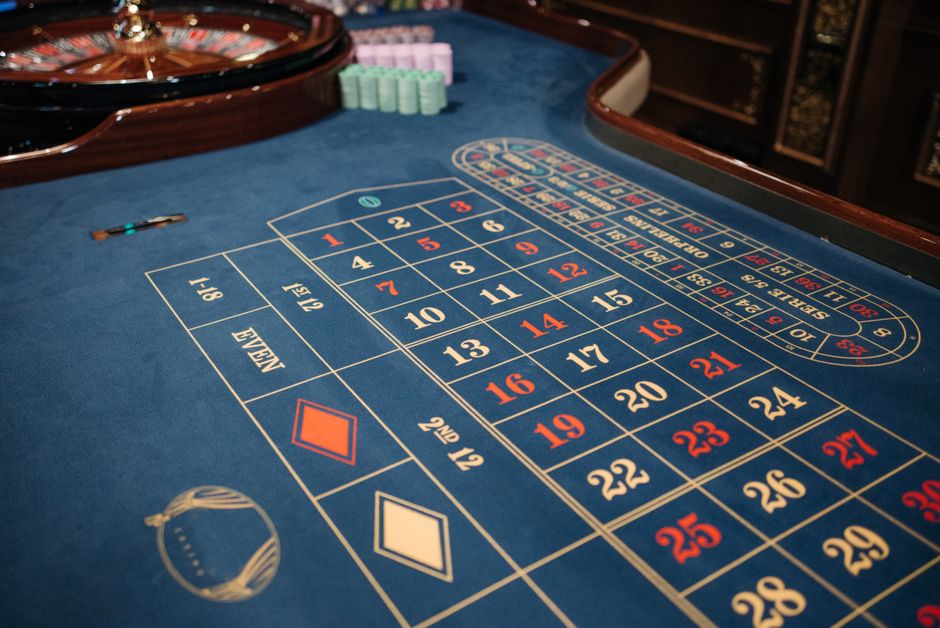
Every gambler remembers their first big win. Mine came on a $0.60 spin on a progressive slot in a smoke-filled casino in 2019 — $4,200 from three scatters and a multiplier I didn't even know existed. What most players never think about is that the machine had already paid out tens of thousands of smaller losses before mine. That is not cynicism; it is simply the architecture of iGaming. Understanding that architecture is the difference between playing for entertainment and playing like a sucker.
Let's pull back the curtain on how modern online casinos, sportsbooks, and poker rooms actually work — and where a smart player can find real edges.
Slot volatility is more important than RTP (and almost nobody checks)
Ask ten slot players what the most important number on a game is and most will say RTP — return to player. They are half right. RTP tells you what a game pays back over millions of spins. Volatility tells you how it pays you. Two slots can both sit at 96% RTP and feel like completely different animals.
- Low volatility (e.g., Starburst, ~96.1% RTP): frequent small wins. Good for stretching a bankroll, terrible for jackpot hunters.
- Medium volatility (e.g., Book of Dead): a balanced grind with occasional 100x-500x hits.
- High volatility (e.g., Money Train 2, San Quentin): long dry spells and monster 10,000x+ potential. Brutal if you buy bonuses on a thin bankroll.
Here's the practical tip most guides skip: match volatility to your session length, not your mood. If you have $50 and want two hours of play, pick low or medium volatility at minimum bets. If you have a $20 bankroll and want a shot at a life-changing hit, high volatility slots like Razor Shark or Dead or Alive 2 make more sense — but understand your likeliest outcome is zero.
Also note that RTP is not guaranteed per session. You can play a 97% RTP game for an hour and lose 80% of your deposit. The math only balances out for the casino across hundreds of millions of spins. Trust the frame, not the session.
Sportsbook margins: the vig you never see
In betting, your real opponent is not the other side — it's the margin, or "vig." A standard two-way market at -110/-110 implies a 52.4% break-even on each side, meaning the book keeps roughly 4.8% of every dollar wagered at fair odds. Most recreational bettors never calculate whether their picks are clearing that bar.
Two things separate winning bettors from losing ones:
- Line shopping. The same NBA game can be -3.5 at one book and -4.5 at another. Over a season, taking the better line is worth more than any handicapping skill most people will ever develop.
- Closing line value (CLV). If you consistently beat the closing line — the final odds before kickoff — you are almost certainly a long-term winner, even during a losing streak. Track it religiously.
Another data point: parlays are where books make the most money. A 4-leg parlay at typical pricing carries a house edge north of 20%. They are fun, and occasionally lucrative, but they are the worst expected-value bet on the menu. You will find a helpful summary at keo nha cai.
Poker is the one game in the building you can beat
Slot RTP is fixed. Sportsbook margins are fixed. Poker is different — you play against other people, and the house takes a rake. That means your win rate is a skill variable, and skilled players genuinely profit. That said, the modern online poker ecosystem is tougher than it was in 2010. Solver software and training sites have compressed edges dramatically, especially at low stakes.
A few blunt truths for anyone grinding micro-stakes:
- Tight-aggressive beats loose-passive at 1c/2c and 5c/10c. You do not need fancy plays. You need to fold more than your ego wants to.
- Rakebacks and rakeback deals matter more than most players admit. At mid-stakes, a good rakeback deal can swing your effective win rate by 20-30%.
- Position is not a suggestion — it is the strategy. Playing 15% of hands from the button and 8% from under the gun is not conservative; it is correct.
If you cannot articulate why you are calling a bet — reads, pot odds, range advantage — you are donating.
The bonus terms that eat players alive
Welcome bonuses look like free money. Read the fine print on any casino bonus and you'll find the real price.
Common traps include:
- High wagering requirements. A 40x playthrough on a $100 bonus means $4,000 in wagers before you can withdraw anything.
- Game weighting. Slots often count 100%, but blackjack might count 10% and live dealer 0%. So your "casino bonus" is really a slot bonus.
- Max cashout caps. Some bonuses cap winnings at $500 no matter how big your run. That can be devastating if you hit a 2,000x slot win.
- Time limits. Seven days to clear wagering is common and most players never get there.
My rule: only claim a bonus if the effective expected value, after wagering, is positive — and it usually is not. Cash play with no restriction is often the better deal.
Bankroll management: the only edge that always works
Every serious player, whether they grind slots, bet sports, or play poker, follows some version of the same rule. Never risk more than 1-2% of your total gambling bankroll on a single event. For slots, that means choosing stakes so you can survive 200+ spins. For sports, it means flat betting, not chasing losses with a double-up.
The math behind this is not exciting, which is exactly why it works. Gambling variance is wide. A 5% edge in poker still produces losing sessions 40% of the time. Without bankroll discipline, you go broke before the math can help you.
Final thought: play the game that suits your temperament
There is no "best" iGaming vertical. There is only the game that matches how you actually think. If you enjoy the fantasy of a life-changing hit and can afford the swings, high-volatility slots are a legitimate entertainment product. If you love data, sports betting with line shopping and CLV tracking offers real long-term edges — small ones. If you want the only true skill game in the building, learn poker properly, or don't play it at all.
The house always has an edge in casino games and sportsbooks. The players who last are the ones who respect that, keep their wagers small relative to their bankroll, and treat the whole thing as paid entertainment—not a plan. That mindset, more than any bonus or hot streak, is what keeps you in the game.


Zhon Andarson
Coding is used in almost all aspects of life and work now, be it directly or indirectly. It’s not just for companies in the tech sector. “An increasing number of businesses rely on computer code,
Andro Smith Doe
Coding is used in almost all aspects of life and work now, be it directly or indirectly. It’s not just for companies in the tech sector. “An increasing number of businesses rely on computer code,